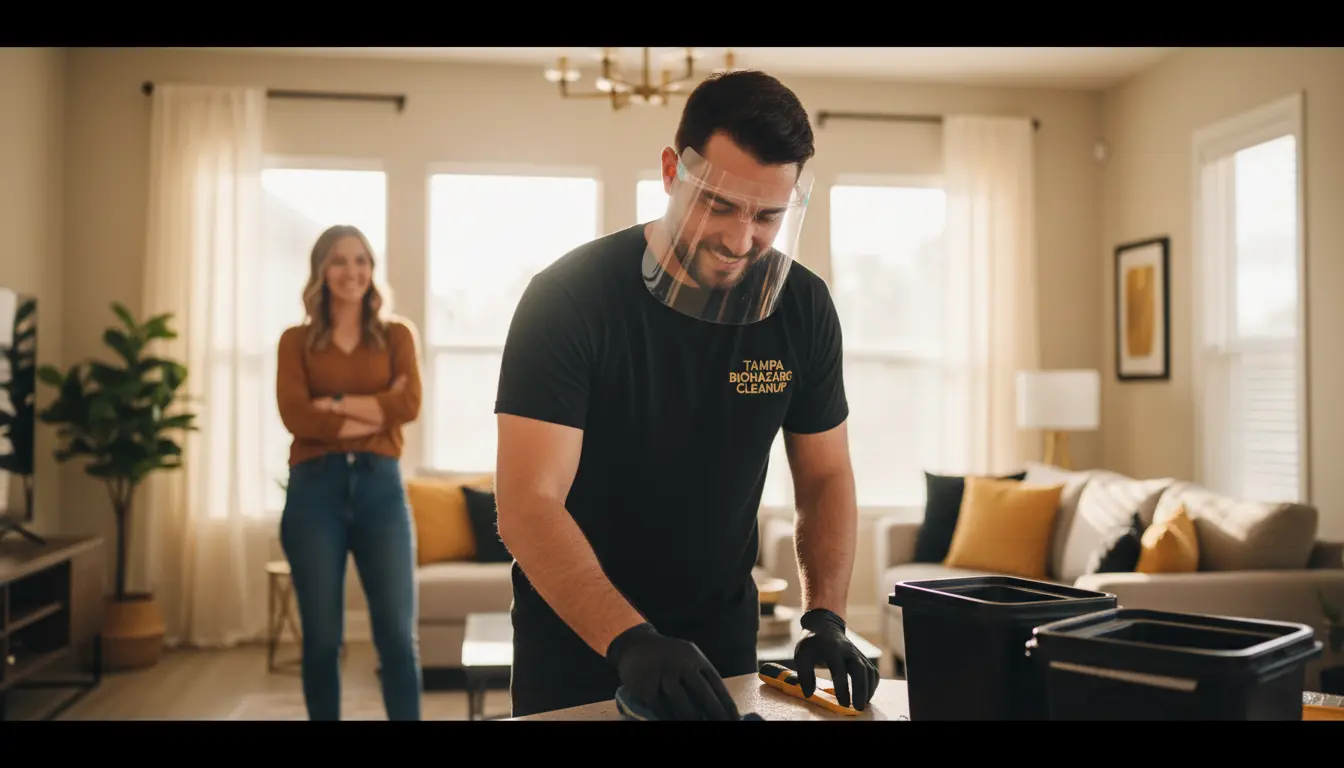
Despite the common perception that mold, rodent waste, and sewage are mere nuisances, they are, in fact, considered biohazards in Tampa homes due to the city’s unique sub-tropical climate, which accelerates decomposition and bacterial growth. This rapid escalation of biological hazards poses significant risks to the health and safety of occupants. In Tampa, FL, the importance of professional, legally compliant biohazard remediation cannot be overstated, as it is crucial for restoring a safe and habitable environment. Tampa Biohazard Cleanup, as the premier service provider in the area, offers authoritative, compassionate, and discreet solutions for homeowners and property managers facing these challenges.
The presence of mold, rodent waste, and sewage in a home can have severe consequences, including the spread of infectious diseases and the degradation of structural materials. It is essential to address these biohazards promptly and effectively to prevent long-term damage and potential health risks. By understanding the risks associated with these biohazards and the importance of professional remediation, homeowners and property managers can take the necessary steps to protect their properties and the people who occupy them.
In Tampa, the combination of high heat and intense seasonal humidity creates an ideal environment for the growth and proliferation of biological hazards. This highlights the need for specialized services like those offered by Tampa Biohazard Cleanup, which are equipped to handle the unique challenges posed by the local climate. Their expertise in biohazard remediation ensures that properties are restored to a safe and healthy state, complying with all relevant regulations and standards.
Understanding Biohazards in Tampa Homes
Biohazards, including mold, rodent waste, and sewage, contain pathogens that can cause serious health issues. The remediation process involves a series of steps designed to safely and effectively remove these hazards from a property. This process includes hazard assessment, containment zoning, structural removal of contaminated porous materials, EPA-approved disinfection, deodorization, and ATP clearance testing. Each step is crucial in ensuring that the property is thoroughly cleaned and safe for occupancy.
The use of specific tools and equipment, such as ULV foggers, ATP luminometers, and commercial ozone generators, is essential in the remediation process. These tools are selected based on their ability to effectively address the biological hazards present, taking into account the molecular breakdown of biological matter and the cellular destruction of pathogens. Furthermore, the choice of containment and drying methods is influenced by local variables, such as Tampa’s ambient humidity, which dictates the most appropriate approach for each situation.
Professional Biohazard Remediation Workflow
The professional biohazard remediation workflow is a detailed, step-by-step process that ensures the safe and effective removal of biological hazards from a property. This process begins with a thorough hazard assessment, which identifies the extent and nature of the biohazard. Following the assessment, containment zoning is established to prevent the spread of pathogens to unaffected areas of the property. The next step involves the structural removal of contaminated porous materials, which is critical in eliminating the source of the biohazard.
After the removal of contaminated materials, the property undergoes EPA-approved disinfection and deodorization. This step is essential in killing remaining pathogens and eliminating odors associated with the biohazard. Finally, ATP clearance testing is conducted to verify the effectiveness of the remediation efforts and ensure that the property is safe for occupancy. Throughout this process, adherence to safety protocols, such as those outlined in OSHA 29 CFR 1910.1030, is paramount to protect both the remediation team and future occupants of the property.
Data Comparison
A comparison of professional biohazard remediation and standard janitorial/DIY cleaning highlights the superiority of professional services in addressing biological hazards. The following table illustrates key differences between these approaches:
| Feature/Metric | Professional Remediation | Standard/DIY Cleaning |
|---|---|---|
| Pathogen Eradication | 99.99% effective | Variable, often ineffective |
| Legal/OSHA Compliance | Always compliant | Often non-compliant |
| Cross-Contamination Risk | Minimized | High |
Source: OSHA Bloodborne Pathogens Standard
Expert Insights
Professional biohazard remediation experts offer several key tips for property owners facing biological hazards. Firstly, it is crucial to immediately isolate the affected area to prevent the spread of pathogens. Secondly, turning off HVAC systems can help prevent the airborne spread of pathogens. Lastly, using EPA-registered hospital-grade disinfectants is essential for effectively killing pathogens and ensuring the property is safe for occupancy.
Common mistakes made by property owners include using household bleach on biological fluids, which can create toxic gases and fail to kill deep bacteria, and the illegal disposal of medical waste, which can lead to legal liability and severe health risks. Understanding these mistakes and the importance of professional remediation can help property owners make informed decisions when faced with biological hazards.
Pricing
The pricing structure for biohazard remediation services can vary based on several factors, including the extent of structural penetration, hazardous medical waste transportation and disposal fees, and the volume of biological matter. Services may be billed on an hourly rate for complex jobs, such as hoarding remediation, or on a project-based rate for specific trauma events. It is essential for property owners to understand these factors and how they influence the cost of remediation to ensure they receive comprehensive and cost-effective services.
Safety and Standards
Safety protocols and standards play a critical role in biohazard remediation. Services like Tampa Biohazard Cleanup adhere to specific certifications, such as ABRA or IICRC, and safety protocols, like OSHA 29 CFR 1910.1030, to ensure that remediation efforts are conducted safely and effectively. The use of EPA-registered hospital-grade disinfectants is also crucial in killing pathogens and preventing the spread of infectious diseases.
FAQs
What are the health risks associated with biohazards in the home?
Biohazards in the home, including mold, rodent waste, and sewage, pose significant health risks to occupants. These hazards can spread infectious diseases, cause allergic reactions, and exacerbate existing health conditions. It is essential to address these hazards promptly and effectively to prevent long-term health consequences.
How do I know if I need professional biohazard remediation services?
If you suspect the presence of a biohazard in your home, such as mold, rodent waste, or sewage, it is crucial to seek professional remediation services. These services can assess the situation, contain the hazard, and safely remove the biohazard, ensuring the property is restored to a safe and healthy state.
What is the importance of legal compliance in biohazard remediation?
Legal compliance is paramount in biohazard remediation to ensure that services are conducted safely and effectively, protecting both the remediation team and future occupants of the property. Compliance with regulations, such as OSHA 29 CFR 1910.1030, is essential for preventing legal liability and ensuring that remediation efforts meet the highest standards of safety and efficacy.
How can I prevent biohazards from occurring in my home?
Preventing biohazards from occurring in your home involves regular maintenance and inspection of your property. This includes checking for signs of water damage, ensuring proper ventilation, and addressing any issues promptly. Additionally, regular cleaning and disinfection of high-touch areas can help prevent the spread of pathogens and reduce the risk of biohazards.
Conclusion
In conclusion, mold, rodent waste, and sewage are considered biohazards in Tampa homes due to the significant health risks they pose to occupants. Professional biohazard remediation services, like those offered by Tampa Biohazard Cleanup, are essential for safely and effectively removing these hazards and restoring properties to a safe and healthy state. By understanding the importance of professional remediation and the unique challenges posed by Tampa’s climate, property owners can take the necessary steps to protect their properties and the people who occupy them. For more information on biohazard remediation and to learn about the services offered by Tampa Biohazard Cleanup, visit our website or contact us directly at Tampa Biohazard Cleanup.
Remember, when faced with a biohazard, it is crucial to act quickly and seek professional help. The risks associated with these hazards are too great to ignore, and the consequences of not addressing them can be severe. By choosing a reputable and experienced service provider like Tampa Biohazard Cleanup, you can ensure that your property is restored to a safe and healthy state, and that you and your loved ones are protected from the dangers of biohazards.
For additional resources and information on biohazard remediation, visit our blog, where you can find articles on topics such as shocking stats on biohazards in Tampa homes, medical waste disposal, and rodent infestation remediation. You can also learn more about our services, including sewage backup cleanup and biohazard waste removal, by visiting our website.