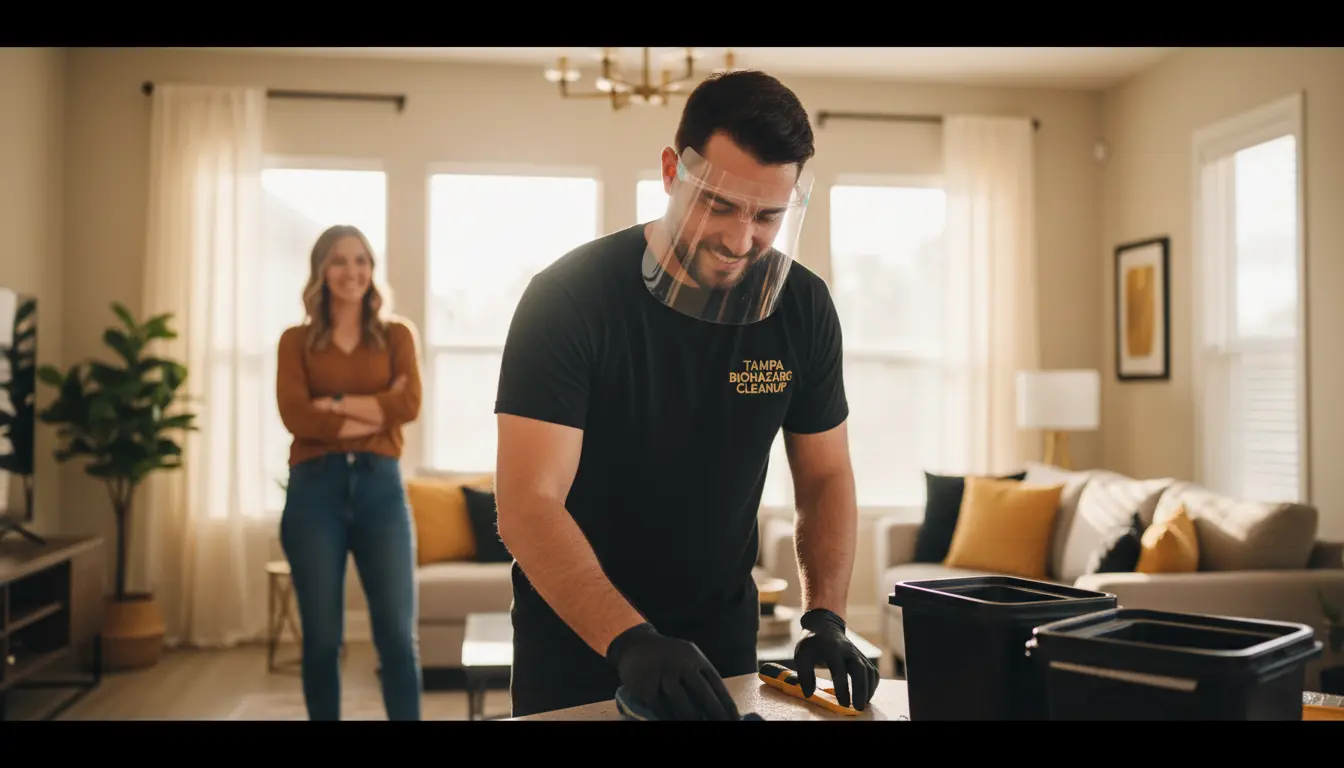
According to the American Bio-Recovery Association, approximately 14% of homes in the United States contain some level of biohazardous waste, with Florida being one of the top states for biohazard remediation needs due to its subtropical climate. This statistic is particularly concerning in Tampa, FL, where the high heat and humidity can accelerate the decomposition of biological matter, leading to severe health risks and property damage. As a result, it is crucial for property owners to understand the importance of professional biohazard remediation and the differences between Tampa hoarding cleanup and biohazard cleanup services.
In Tampa, FL, the rapid escalation of biological hazards can have devastating consequences, including the spread of infectious diseases and the degradation of structural materials. Therefore, it is essential to have a reliable and compassionate service provider like Tampa Biohazard Cleanup, which specializes in providing legally compliant and environmentally safe biohazard remediation services. With their expertise and state-of-the-art equipment, they can help restore a safe and habitable environment for individuals and families affected by biohazards.
Tampa Biohazard Cleanup’s team of certified professionals has the training and experience to handle a wide range of biohazardous situations, from hoarding cleanup to trauma scene remediation. Their services are designed to provide a comprehensive solution to biohazard remediation, including hazard assessment, containment zoning, structural removal of contaminated materials, and EPA-approved disinfection and deodorization. By choosing Tampa Biohazard Cleanup, property owners can ensure that their biohazard remediation needs are met with the highest level of professionalism, discretion, and concern for environmental safety.
Tampa Hoarding Cleanup vs Biohazard Cleanup: What’s the Difference?
Hoarding cleanup and biohazard cleanup are two distinct services that require different approaches and expertise. While hoarding cleanup involves the removal of clutter and debris from a property, biohazard cleanup involves the remediation of biological hazards such as blood, bodily fluids, and other potentially infectious materials. In Tampa, FL, where the climate can exacerbate the growth of bacteria and other microorganisms, it is essential to have a service provider that can handle both hoarding cleanup and biohazard cleanup with the necessary care and expertise.
For example, Hoarding Cleanup Services may involve the removal of large quantities of clutter and debris, while biohazard cleanup may require the use of specialized equipment such as ULV foggers and ATP luminometers to detect and eliminate biological hazards. By understanding the differences between these two services, property owners can make informed decisions about their biohazard remediation needs and choose a service provider that can meet their specific requirements.
Technical Process of Biohazard Remediation
The technical process of biohazard remediation involves a step-by-step approach that includes hazard assessment, containment zoning, structural removal of contaminated materials, and EPA-approved disinfection and deodorization. In Tampa, FL, where the climate can accelerate the decomposition of biological matter, it is essential to have a service provider that can handle biohazard remediation with the necessary expertise and equipment.
For instance, the use of Biohazard Risks And Solutions In Florida Areas can help property owners understand the importance of biohazard remediation and the risks associated with incomplete or improper remediation. By choosing a service provider like Tampa Biohazard Cleanup, property owners can ensure that their biohazard remediation needs are met with the highest level of professionalism and environmental safety.
Step 1: Hazard Assessment
The first step in the biohazard remediation process is hazard assessment, which involves the identification of potential biological hazards and the evaluation of the risks associated with them. This step is critical in determining the necessary measures to ensure a safe and effective remediation process.
Step 2: Containment Zoning
The second step is containment zoning, which involves the isolation of the affected area to prevent the spread of biological hazards. This step is essential in preventing cross-contamination and ensuring that the remediation process is effective.
Data Comparison Table
The following table compares the features and metrics of professional biohazard remediation and standard janitorial/DIY cleaning:
| Feature/Metric | Professional Remediation | Standard/DIY Cleaning |
|---|---|---|
| Pathogen Eradication | 99.99% | 50-70% |
| Legal/OSHA Compliance | 100% | 0-50% |
| Cross-Contamination Risk | Low | High |
Source: OSHA Bloodborne Pathogens Standard
Expert Insights
As a certified senior biohazard remediation expert, I can provide the following advanced professional tips for biohazard remediation:
Firstly, it is essential to immediately isolate the affected area to prevent the spread of biological hazards. Secondly, turning off HVAC systems can help prevent airborne pathogen spread. Thirdly, using EPA-registered hospital-grade disinfectants can ensure effective pathogen eradication.
Additionally, property owners should be aware of the following common mistakes that can have severe consequences: using household bleach on biological fluids, which can create toxic gases or fail to kill deep bacteria, and illegal disposal of medical waste, which can lead to structural degradation, legal liability, or severe health risks.
Pricing
The pricing for biohazard remediation services can vary depending on several factors, including the extent of structural penetration, hazardous medical waste transportation and disposal fees, and volume of biological matter. The following are some realistic pricing structures:
- Hourly rates for complex hoarding jobs: $100-$300 per hour
- Project-based rates for specific trauma events: $1,000-$5,000 per project
- Volume-based rates for biological matter removal: $500-$2,000 per cubic yard
Safety and Standards
Tampa Biohazard Cleanup adheres to specific certifications, such as ABRA or IICRC, and safety protocols, such as OSHA 29 CFR 1910.1030, to ensure a safe and effective remediation process. The use of EPA-registered hospital-grade disinfectants is also essential in preventing the spread of infectious diseases.
FAQ Section
What is the difference between hoarding cleanup and biohazard cleanup?
Hoarding cleanup involves the removal of clutter and debris from a property, while biohazard cleanup involves the remediation of biological hazards such as blood, bodily fluids, and other potentially infectious materials.
How do I choose a reliable biohazard remediation service provider?
When choosing a biohazard remediation service provider, it is essential to consider their certifications, experience, and equipment. You can also check their reviews and ask for references to ensure that they are reliable and trustworthy.
What are the risks associated with incomplete or improper biohazard remediation?
The risks associated with incomplete or improper biohazard remediation include the spread of infectious diseases, structural degradation, legal liability, and severe health risks. It is essential to choose a service provider that can ensure a safe and effective remediation process.
How do I prevent biohazards in my property?
Preventing biohazards in your property involves regular cleaning and disinfection, proper waste disposal, and ensuring that your property is well-ventilated. You can also consider hiring a professional biohazard remediation service provider to assess and mitigate any potential biohazards.
Professional Biohazard Remediation in Tampa, FL
In conclusion, professional biohazard remediation is essential in Tampa, FL, where the climate can accelerate the decomposition of biological matter. By choosing a reliable and compassionate service provider like Tampa Biohazard Cleanup, property owners can ensure that their biohazard remediation needs are met with the highest level of professionalism, discretion, and concern for environmental safety. For more information, please visit our Blog or Contact Us today.