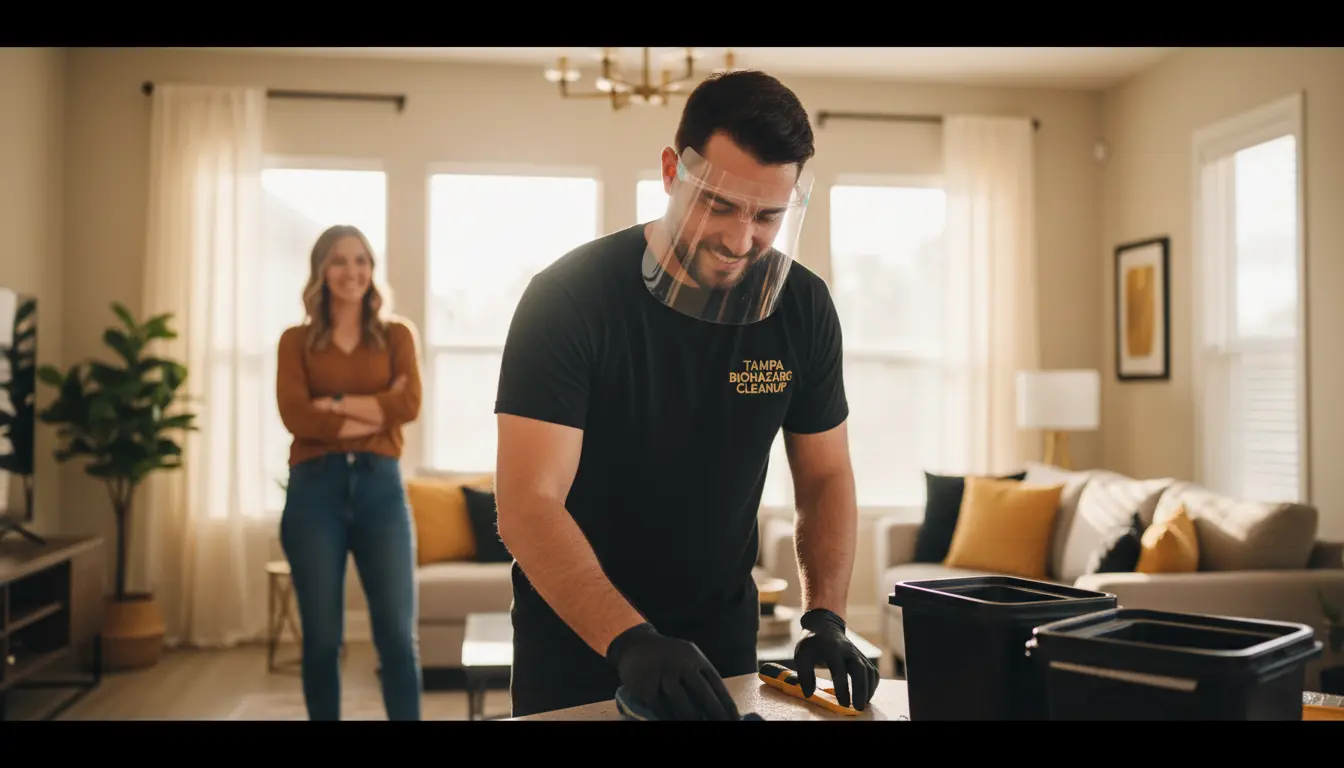
As a certified biohazard remediation expert, I recall a particularly challenging scene in Tampa, FL, where a family had to deal with the aftermath of an unattended death. The emotional toll was immense, and the risk of disease transmission was very real. In such situations, knowing how to handle a biohazard emergency before cleanup professionals arrive can be a matter of life and death. This is why professional, legally compliant biohazard remediation is critical in Tampa, FL, where the sub-tropical climate can accelerate decomposition and bacterial growth. Tampa Biohazard Cleanup stands as the premier service provider in the area, offering compassionate and authoritative solutions.
The importance of prompt and proper action cannot be overstated. Biohazards pose significant health risks, including the transmission of bloodborne pathogens like HIV and Hepatitis. Moreover, the legal implications of improper handling can be severe, making it essential for property owners to understand their responsibilities and the importance of hiring a professional service like Tampa Biohazard Cleanup, which operates in accordance with OSHA and EPA standards.
Understanding the process of biohazard remediation is key. It involves a detailed step-by-step approach, starting with hazard assessment, containment, and then the removal of contaminated materials. The use of specific tools like ULV foggers for disinfection and ATP luminometers for verifying the cleanliness of surfaces is crucial. Each step is designed to ensure the complete eradication of pathogens and the restoration of a safe environment. For more information on the technical aspects of biohazard cleanup, you can visit our blog, which features detailed guides and insights into the process.
Technical Process of Biohazard Remediation
The technical process of biohazard remediation is complex and requires specialized training and equipment. It begins with a thorough assessment of the hazard to determine the extent of the contamination. This assessment guides the creation of a containment plan to prevent the spread of pathogens. Containment zoning is critical, especially in multi-unit dwellings or commercial properties, to isolate the affected area and prevent cross-contamination. The next step involves the structural removal of contaminated porous materials, which cannot be adequately disinfected and must be disposed of as biomedical waste.
Following removal, the area undergoes EPA-approved disinfection. This process uses hospital-grade disinfectants registered with the EPA to ensure their efficacy against a broad spectrum of pathogens. Deodorization is also a critical step, as biohazards can produce intense, lingering odors that are not only unpleasant but can also be harmful. Commercial ozone generators are often used for this purpose due to their ability to break down organic matter at a molecular level. Finally, ATP clearance testing is conducted to verify that the area is safe for reoccupation. This testing measures the amount of adenosine triphosphate (ATP), an indicator of biological residue, on surfaces.
Local conditions, such as Tampa’s ambient humidity, play a significant role in the remediation process. High humidity levels can accelerate bacterial growth and make containment more challenging. Therefore, the chosen containment and drying methods must be adapted to these conditions, often requiring the use of desiccants or enhanced ventilation systems to reduce moisture levels. Understanding these local variables is essential for effective biohazard remediation and highlights the importance of hiring professionals familiar with the specific challenges posed by Tampa’s climate.
Data Comparison
When considering biohazard remediation, it’s essential to understand the difference between professional remediation services and standard janitorial or DIY cleaning methods. The following comparison highlights the key differences:
| Feature/Metric | Professional Remediation | Standard/DIY Cleaning |
|---|---|---|
| Pathogen Eradication | 99.99% eradication of pathogens | Variable, often incomplete eradication |
| Legal/OSHA Compliance | Full compliance with OSHA and EPA regulations | Risk of non-compliance, potential legal liability |
| Cross-Contamination Risk | Minimized through proper containment and protocol | High risk due to lack of proper training and equipment |
Source: OSHA Bloodborne Pathogens Standard
Expert Insights
As an expert in the field, I can offer several key insights into the biohazard remediation process. First, it’s crucial to immediately isolate the affected area to prevent the spread of pathogens. This includes turning off HVAC systems to prevent airborne transmission. Second, the use of personal protective equipment (PPE) is essential for anyone entering the contaminated area to prevent direct contact with biohazards. Finally, understanding the importance of enzymatic remediation in breaking down protein-based materials like blood and bodily fluids is vital for effective cleanup.
Common mistakes property owners make include attempting to clean biohazards with household bleach, which can be ineffective against certain pathogens and even create toxic gases when mixed with other substances. Another mistake is the illegal disposal of biomedical waste, which can result in severe legal and financial consequences. It’s also important to avoid using DIY methods for cleaning biohazards, as these methods often fail to address the depth of contamination and can spread pathogens further. For a detailed guide on choosing the right biohazard cleanup services, visit our page on 7 Tips for Choosing Biohazard Cleanup Services.
Pricing Considerations
The cost of biohazard remediation services can vary widely depending on several factors. These include the extent of the contamination, the type of cleanup required (e.g., trauma scene, unattended death, hoarding), and the volume of biological materials that need to be removed and disposed of. Additionally, the cost of disposing of hazardous medical waste and the potential need for structural repairs can also impact the overall price. For complex cases, such as hoarding situations, hourly rates may apply, while specific trauma events might be quoted on a project basis. It’s also worth noting that while the cost may seem high, the risks associated with improper cleanup, including legal liability and health risks, can be significantly more costly in the long run. To learn more about the dangers of DIY biohazard removal, you can read our article on Top Dangers of DIY Biohazard Removal Exposed.
Safety and Standards
Safety is paramount in biohazard remediation. This is why adhering to specific certifications like those offered by the American Bio-Recovery Association (ABRA) and the Institute of Inspection, Cleaning and Restoration Certification (IICRC) is crucial. These certifications ensure that technicians are trained to the highest standards in safety protocols, including OSHA’s Bloodborne Pathogens Standard (29 CFR 1910.1030), and in the use of EPA-registered disinfectants. The practical importance of these standards cannot be overstated, as they directly impact the protection of both the remediation technicians and the future occupants of the cleaned property from infectious diseases.
FAQs
What is the most critical step in biohazard remediation?
The most critical step is the immediate isolation of the contaminated area to prevent the spread of pathogens. This includes securing the area, turning off HVAC systems, and ensuring that all individuals entering the area are properly equipped with personal protective equipment (PPE). The goal is to minimize cross-contamination risk and ensure that the remediation process can be conducted safely and effectively.
How do I choose the right biohazard cleanup service?
Choosing the right biohazard cleanup service involves several key considerations. First, ensure the service is locally based and has experience with the specific type of cleanup you need. Second, verify their certifications and compliance with OSHA and EPA regulations. Finally, consider their reputation, response time, and whether they offer a discreet and compassionate service. For more information, you can visit our website or contact us directly.
What are the health risks associated with biohazards?
Biohazards pose significant health risks, including the transmission of bloodborne pathogens like HIV, Hepatitis B, and Hepatitis C. Other risks include the contraction of infectious diseases from bacteria, viruses, and other microorganisms present in biological fluids and tissues. The health risks are not limited to the individuals directly exposed but can also affect future occupants of the property if the biohazards are not properly remediated.
Can I clean up biohazards myself?
While it might be tempting to attempt to clean up biohazards yourself, it’s strongly advised against. Biohazard remediation requires specialized training, equipment, and knowledge of safety protocols to prevent the spread of pathogens and ensure legal compliance. Improper cleanup can lead to health risks, legal liabilities, and the potential for ongoing contamination. For information on biohazard risks and solutions in Florida areas, visit our page on Biohazard Risks and Solutions in Florida Areas.
Final Thoughts
In conclusion, handling a biohazard emergency requires immediate action and a thorough understanding of the remediation process. The risks associated with biohazards are real, and the importance of hiring a professional, compliant service cannot be overstated. Tampa Biohazard Cleanup is dedicated to providing the highest level of service, ensuring that properties are restored to a safe and habitable condition. Whether you’re dealing with a trauma scene, unattended death, or another biohazard situation, our team is here to help. Remember, the safety and well-being of you and your loved ones are paramount, and seeking professional help is the first step towards recovery and restoration. For a comprehensive guide to biohazard cleanup in Tampa, FL, visit our Ultimate Guide to Biohazard Cleanup in Tampa, FL.
By understanding the technical process, the importance of safety and standards, and the factors that influence pricing, you can make informed decisions about biohazard remediation. It’s also crucial to be aware of the common mistakes property owners make and how to avoid them. For specific questions about our services or to learn more about how we can assist you, please do not hesitate to contact us. At Tampa Biohazard Cleanup, we are committed to providing compassionate, discreet, and highly professional biohazard remediation services to the Tampa, FL community.