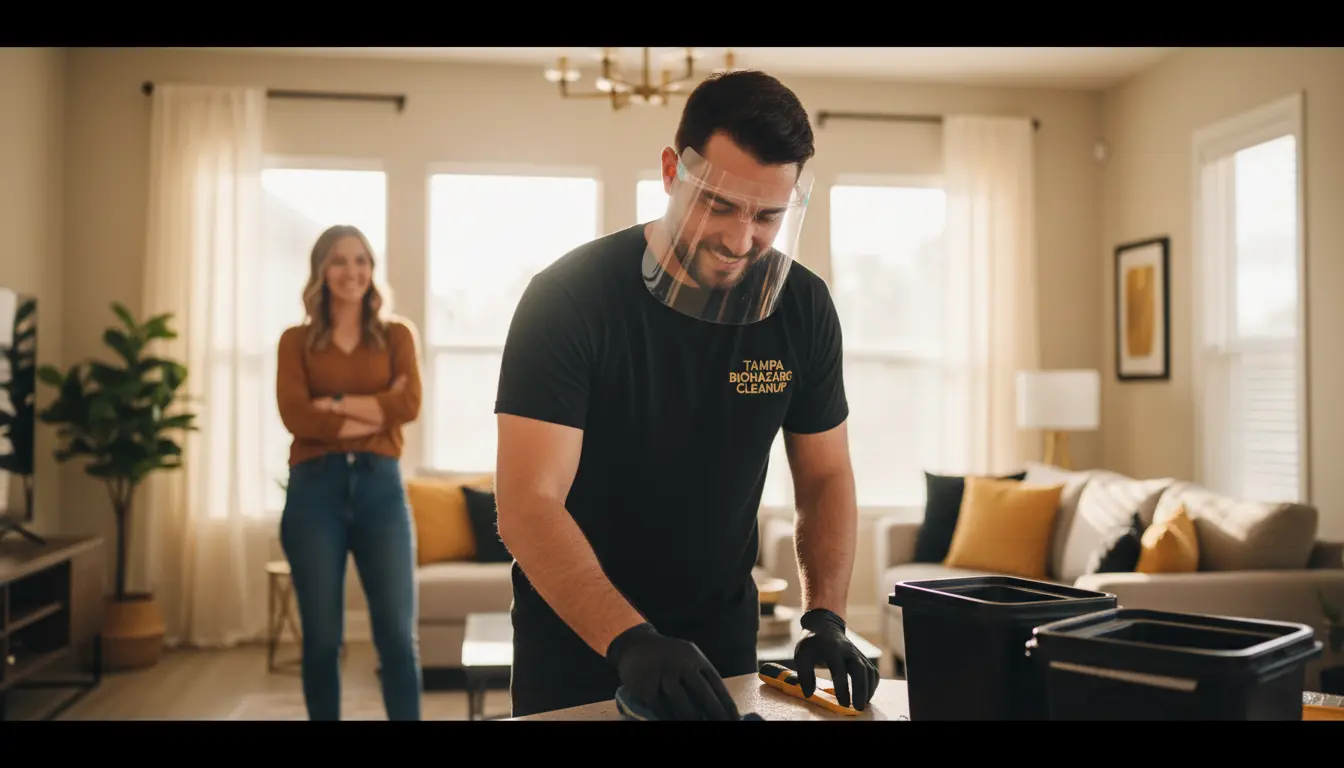
Biohazard cleanup refers to the process of safely and legally remediating biological hazards, such as blood, bodily fluids, and other potentially infectious materials, from a crime scene, trauma scene, or other contaminated area. It is often confused with standard janitorial or DIY cleaning, but it requires specialized training, equipment, and protocols to prevent the spread of diseases and ensure compliance with OSHA and EPA regulations. In Tampa, FL, where the sub-tropical climate and high humidity can accelerate decomposition and bacterial growth, professional biohazard remediation is crucial to protect public health and safety.
The importance of professional biohazard remediation in Tampa, FL, cannot be overstated. According to the Shocking Stats On Biohazards In Tampa Homes, biohazards can pose significant risks to occupants and first responders. Tampa Biohazard Cleanup, as a premier service provider in the area, offers authoritative and compassionate biohazard remediation services that prioritize the safety and well-being of clients and their properties.
In Tampa’s climate, it is essential to address biohazards promptly and effectively. The Ultimate Guide To Biohazard Cleanup In Tampa Fl provides valuable insights into the process and importance of biohazard remediation. By understanding the risks associated with biohazards and the benefits of professional remediation, property owners can take proactive steps to protect their properties and occupants.
Technical Process
The technical process of biohazard remediation involves several critical steps, including hazard assessment, containment zoning, structural removal of contaminated porous materials, EPA-approved disinfection, deodorization, and ATP clearance testing. In Tampa, FL, where the ambient humidity can dictate the chosen containment and drying methods, it is essential to use specialized tools, such as ULV foggers, ATP luminometers, and commercial ozone generators, to ensure effective remediation.
For instance, in areas like Safety Harbor or Oldsmar, the proximity to waterways and the resulting high humidity levels require adapted remediation strategies. The use of PPE suits and adherence to OSHA 29 CFR 1910.1030 standards are also crucial in preventing exposure to bloodborne pathogens and other hazardous materials.
Data Comparison Table
To illustrate the differences between professional biohazard remediation and standard janitorial or DIY cleaning, consider the following comparison:
| Feature/Metric | Professional Remediation | Standard/DIY Cleaning |
|---|---|---|
| Pathogen Eradication | 99.99% eradication of pathogens, including HIV, Hepatitis, and other bloodborne diseases | Variable and often incomplete eradication of pathogens, potentially leaving behind dangerous residues |
| Legal/OSHA Compliance | Full compliance with OSHA 29 CFR 1910.1030 and EPA regulations, minimizing legal liability | Potential non-compliance with regulations, leading to legal and financial risks |
| Cross-Contamination Risk | Minimal risk of cross-contamination due to proper containment and disinfection protocols | High risk of cross-contamination and spread of diseases due to inadequate cleaning and disinfection methods |
Source: OSHA Bloodborne Pathogens Standard
Expert Insights
As a Certified Senior Biohazard Remediation Expert, it is essential to emphasize the importance of immediate action when dealing with biohazards. One critical tip is to immediately isolate the affected area to prevent the spread of pathogens. Another tip is to turn off HVAC systems to prevent airborne pathogen spread. For more tips for choosing biohazard cleanup services, it is crucial to research and understand the process and requirements for effective remediation.
Common mistakes property owners make when dealing with biohazards include using household bleach, which can create toxic gases or fail to kill deep bacteria, and illegal disposal of medical waste, which can lead to severe health risks and legal consequences. The Top Dangers Of Diy Biohazard Removal Exposed highlights the risks associated with DIY biohazard removal and the importance of professional remediation.
Pricing
The pricing for biohazard remediation services can vary depending on several factors, including the extent of structural penetration, hazardous medical waste transportation and disposal fees, and volume of biological matter. Some services may charge hourly rates for complex hoarding jobs, while others may offer project-based rates for specific trauma events. The following factors can influence the cost:
- Extent of structural penetration and damage
- Hazardous medical waste transportation and disposal fees
- Volume of biological matter and level of contamination
- Specialized equipment and PPE required for the job
Safety & Standards
Tampa Biohazard Cleanup adheres to the highest safety standards and protocols, including OSHA 29 CFR 1910.1030 and EPA regulations. The company uses EPA-registered hospital-grade disinfectants and follows ABRA and IICRC guidelines to ensure effective and safe remediation. The importance of these standards and protocols cannot be overstated, as they protect current and future building occupants from severe infectious diseases like Hepatitis and HIV.
FAQ Section
What is the difference between biohazard remediation and standard cleaning?
Biohazard remediation is a specialized process that requires training, equipment, and protocols to safely and legally remove biological hazards from a contaminated area. Standard cleaning, on the other hand, may not effectively eradicate pathogens and can pose risks to occupants and cleaning personnel. For more information on Biohazard Risks And Solutions In Florida Areas, it is essential to understand the differences between these two processes.
How do I know if I need professional biohazard remediation services?
If you have experienced a trauma event, crime scene, or other situation involving biological hazards, it is crucial to seek professional biohazard remediation services to ensure safe and effective cleanup. Signs that you may need professional services include visible biological fluids, strong odors, or structural damage. The How To Handle Trauma Scene Cleanup In Tampa guide provides valuable information on handling trauma scene cleanup.
What are the risks of DIY biohazard removal?
DIY biohazard removal can pose significant risks to individuals, including exposure to bloodborne pathogens, toxic substances, and other hazardous materials. Additionally, improper disposal of medical waste can lead to legal and financial consequences. It is essential to understand the 5 Essential Steps For Safe Biohazard Remediation to ensure safe and effective cleanup.
How long does the biohazard remediation process take?
The duration of the biohazard remediation process can vary depending on the extent of the contamination, size of the affected area, and complexity of the job. In general, the process can take anywhere from a few hours to several days or even weeks. It is essential to work with a professional biohazard remediation service to ensure that the job is done safely and effectively.
Professional Biohazard Remediation in Tampa, FL
In conclusion, professional biohazard remediation is a critical process that requires specialized training, equipment, and protocols to ensure safe and effective cleanup of biological hazards. Tampa Biohazard Cleanup is the premier service provider in Tampa, FL, offering authoritative and compassionate biohazard remediation services that prioritize the safety and well-being of clients and their properties. By understanding the importance of professional biohazard remediation and the risks associated with DIY removal, property owners can take proactive steps to protect their properties and occupants. For more information on biohazard cleanup services, please visit our services page or contact us directly.