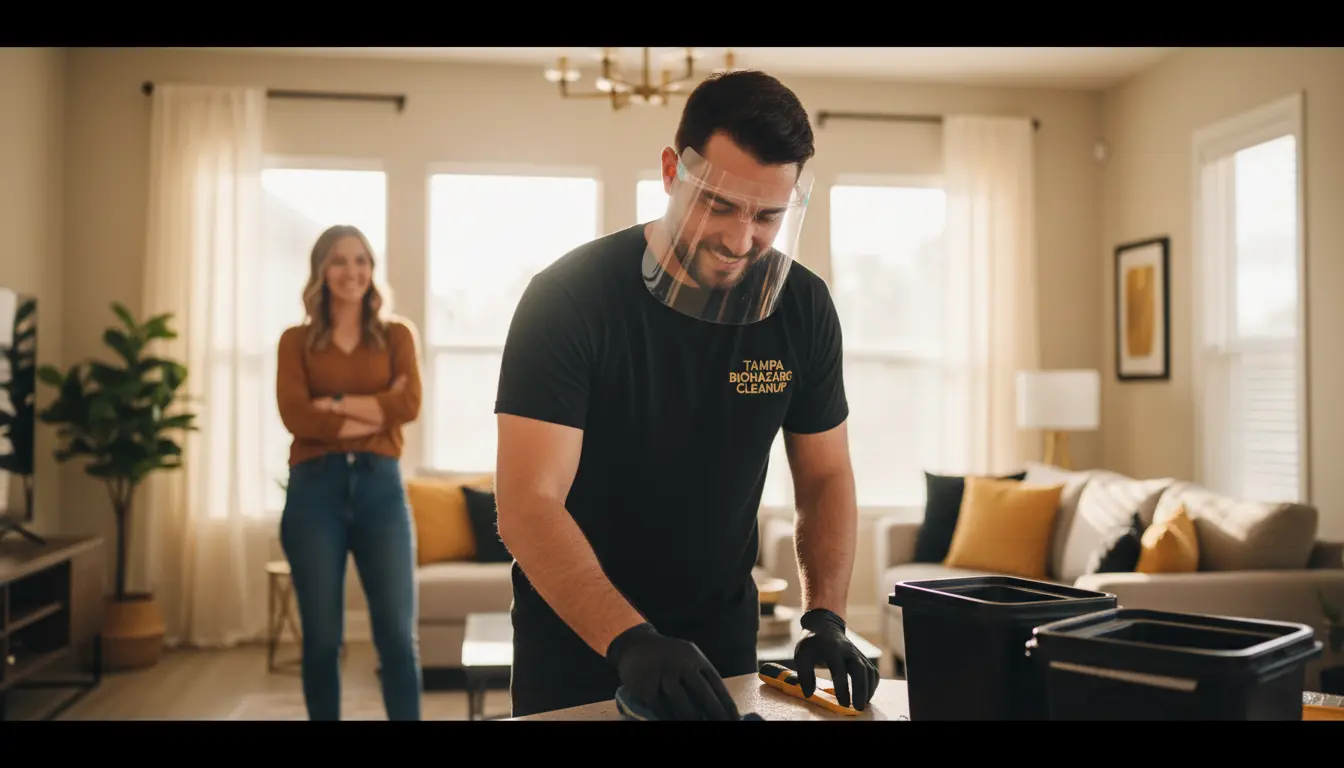
If you’re a homeowner or property manager in Tampa, FL, dealing with a sewage backup, you’re likely facing a nightmare scenario that could cost you thousands of dollars in repairs and potentially put your health at risk. The average cost of sewage backup cleanup can range from $3,000 to $10,000 or more, depending on the extent of the damage. Moreover, if not handled properly, sewage backups can become a serious biohazard problem, exposing you and your loved ones to harmful pathogens and diseases.
The key to minimizing the damage and preventing a biohazard disaster is to act quickly and seek professional help from a certified biohazard remediation expert like Tampa Biohazard Cleanup. Our team has the necessary training, equipment, and expertise to safely and effectively clean up sewage backups and restore your property to a safe and habitable condition.
In Tampa’s sub-tropical climate, where high heat and humidity can accelerate the growth of bacteria and other microorganisms, it’s crucial to address sewage backups promptly. The longer you wait, the higher the risk of cross-contamination, structural damage, and severe health risks. At Tampa Biohazard Cleanup, we understand the importance of timely and professional biohazard remediation, and we’re committed to providing compassionate and discreet services to our clients.
Understanding the Risks of Sewage Backup
Sewage backups can pose significant health risks, as they can contain a cocktail of harmful pathogens, including bacteria, viruses, and parasites. These microorganisms can cause a range of diseases, from mild gastrointestinal illnesses to life-threatening conditions like hepatitis and HIV. Furthermore, sewage backups can also lead to the growth of mold and mildew, which can exacerbate respiratory problems and trigger allergic reactions.
In addition to the health risks, sewage backups can also cause significant property damage, including structural degradation, electrical hazards, and damage to personal belongings. If not addressed promptly, sewage backups can lead to costly repairs, renovations, and even legal liabilities.
The Importance of Professional Biohazard Remediation
While it may be tempting to attempt to clean up a sewage backup on your own, it’s essential to recognize the risks and limitations of DIY biohazard removal. Without proper training, equipment, and protective gear, you can put yourself and others at risk of exposure to harmful pathogens and diseases. Moreover, DIY cleanup efforts can often spread the contamination, leading to further damage and health risks.
Professional biohazard remediation experts like Tampa Biohazard Cleanup have the necessary expertise, equipment, and protocols to safely and effectively clean up sewage backups. Our team uses advanced technologies, including ULV foggers, ATP luminometers, and commercial ozone generators, to detect and eradicate pathogens, as well as EPA-approved disinfectants to sanitize and deodorize affected areas.
Step-by-Step Biohazard Remediation Process
Our biohazard remediation process typically involves the following steps: hazard assessment, containment zoning, structural removal of contaminated porous materials, EPA-approved disinfection, deodorization, and ATP clearance testing. We also take into account local variables, such as Tampa’s ambient humidity, to dictate the chosen containment and drying methods.
For example, our team may use sewage backup cleanup protocols to address the specific challenges of sewage backups in Tampa’s climate. We may also employ 5 essential steps for safe biohazard remediation to ensure that the cleanup process is thorough, safe, and compliant with regulatory standards.
Data Comparison Table
The following table highlights the key differences between professional biohazard remediation and standard janitorial/DIY cleaning:
| Feature/Metric | Professional Remediation | Standard/DIY Cleaning |
|---|---|---|
| Pathogen Eradication | 99.99% effective | Variable, often ineffective |
| Legal/OSHA Compliance | Compliant with regulatory standards | Often non-compliant, leading to liabilities |
| Cross-Contamination Risk | Minimized through containment and protocols | High risk of spreading contamination |
Source: OSHA Bloodborne Pathogens Standard
Expert Insights
As a certified senior biohazard remediation expert, I recommend the following advanced professional tips for addressing sewage backups: immediately isolating the affected area, turning off HVAC systems to prevent airborne pathogen spread, and using EPA-approved disinfectants to sanitize and deodorize affected areas.
It’s also essential to avoid common mistakes, such as using household bleach on biological fluids, which can create toxic gases or fail to kill deep bacteria, or illegally disposing of medical waste, which can lead to structural degradation, legal liability, or severe health risks.
Pricing
The cost of biohazard remediation services can vary depending on several factors, including the extent of the damage, the type of cleanup required, and the level of expertise needed. Some common pricing structures include hourly rates for complex hoarding jobs or project-based rates for specific trauma events.
At Tampa Biohazard Cleanup, we provide transparent and competitive pricing for our services, taking into account the unique needs and circumstances of each client. We also offer 7 tips for choosing biohazard cleanup services to help you make an informed decision when selecting a biohazard remediation expert.
Safety and Standards
At Tampa Biohazard Cleanup, we adhere to strict safety protocols and regulatory standards, including OSHA 29 CFR 1910.1030 and the use of EPA-registered hospital-grade disinfectants. Our team is certified by the American Bio-Recovery Association (ABRA) and the Institute of Inspection, Cleaning and Restoration Certification (IICRC), ensuring that our services meet the highest standards of quality and safety.
FAQ Section
What is the difference between biohazard remediation and standard cleaning?
Biohazard remediation involves the safe and effective cleanup of biological hazards, such as sewage backups, bloodborne pathogens, and other infectious materials. Standard cleaning, on the other hand, may not address the underlying health risks and can often spread contamination.
How long does the biohazard remediation process typically take?
The length of the biohazard remediation process can vary depending on the extent of the damage and the type of cleanup required. In general, our team can complete the cleanup process within a few hours to several days, depending on the complexity of the job.
What are the risks of DIY biohazard removal?
DIY biohazard removal can pose significant health risks, as it can expose individuals to harmful pathogens and diseases. Moreover, DIY cleanup efforts can often spread the contamination, leading to further damage and health risks.
How can I prevent sewage backups in my home or business?
To prevent sewage backups, it’s essential to maintain your plumbing system regularly, avoid pouring grease and other hazardous materials down the drain, and consider installing a backwater valve to prevent sewage from flowing back into your property.
Professional Biohazard Remediation in Tampa, FL
In conclusion, sewage backup cleanup can become a serious biohazard problem if not addressed promptly and professionally. At Tampa Biohazard Cleanup, we’re committed to providing compassionate and discreet services to our clients, restoring their properties to a safe and habitable condition. If you’re facing a sewage backup or other biohazard emergency, don’t hesitate to contact us for expert assistance.
We also invite you to visit our blog for more information on biohazard remediation and trauma scene cleanup, including top dangers of DIY biohazard removal and how to handle trauma scene cleanup in Tampa.