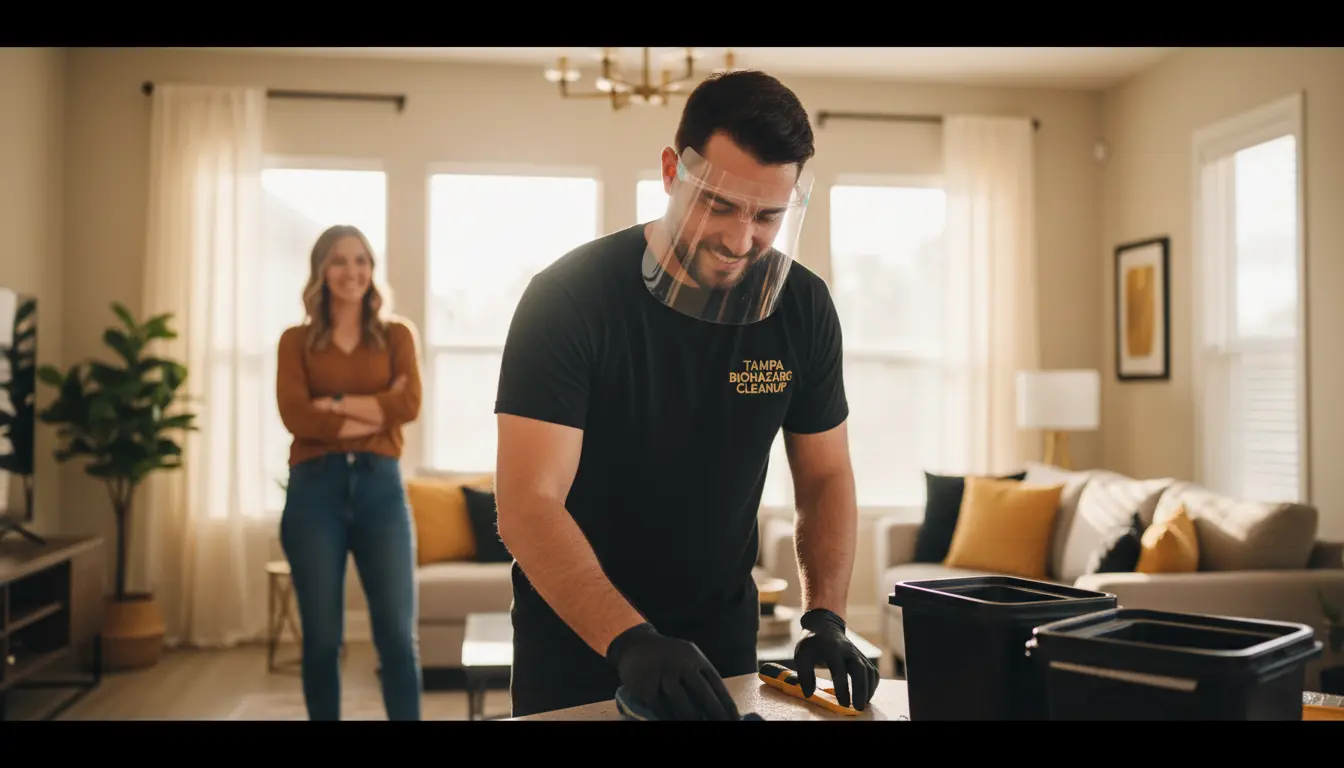
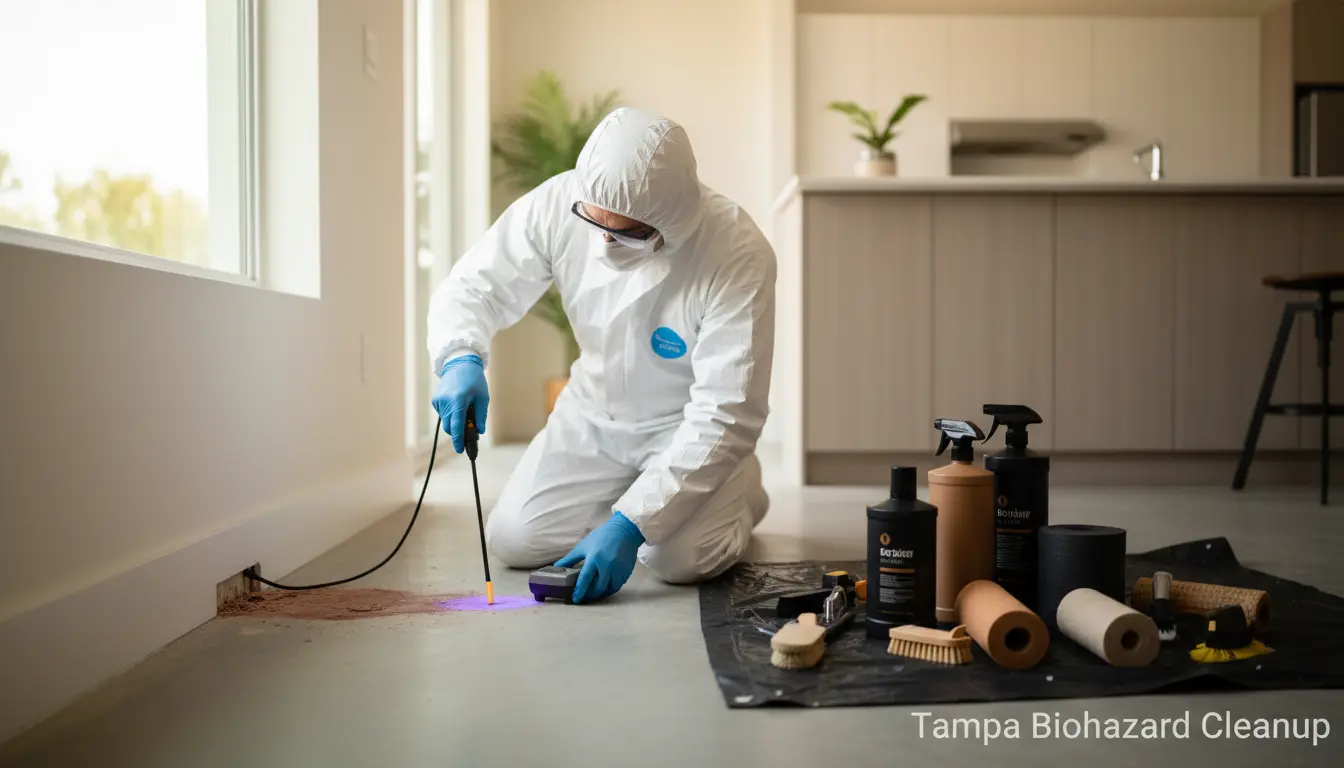
Living in sunny Tampa, Florida, might seem like a dream with its beautiful beaches, vibrant neighborhoods, and year-round warmth. But beneath the surface of your cozy home in areas like Palma Ceia or Ybor City, hidden dangers could be lurking. Biohazards—think blood spills, medical waste, and infectious pathogens—are more common than you might imagine. As a leading provider of professional cleanup services, Tampa Biohazard Cleanup has seen firsthand the shocking realities of these threats. In this post, we’ll dive into eye-opening statistics, explore the risks specific to Tampa homes, and share practical tips to keep your family safe. If you’re dealing with a potential biohazard situation, don’t hesitate to contact us at (813) 296-6711 for swift, certified remediation.
The Hidden Prevalence of Biohazards in Everyday Homes
Biohazards aren’t just a concern for hospitals or crime scenes; they can infiltrate ordinary households without warning. According to the Centers for Disease Control and Prevention (CDC), over 5.6 million cases of foodborne illnesses occur annually in the U.S., many stemming from bacterial contamination in home kitchens. In humid Tampa, where moisture levels often exceed 70%, mold growth—a common biohazard—thrives in as little as 24-48 hours after water exposure.
Startling National and Local Statistics
Let’s break down some jaw-dropping numbers:
-
Mold Infestations: The Environmental Protection Agency (EPA) reports that indoor air can be up to five times more polluted than outdoor air, with mold affecting 21% of U.S. homes. In Tampa, post-Hurricane Irma in 2017, mold-related calls to cleanup services spiked by 300%, highlighting our vulnerability to tropical storms.
-
Blood and Bodily Fluid Exposure: The National Institute for Occupational Safety and Health (NIOSH) estimates that improper handling of blood spills leads to thousands of needlestick injuries yearly. In residential settings, unattended injuries or pet accidents contribute to unseen contamination.
-
Medical Waste Accumulation: With Tampa’s aging population—over 20% of residents are 65+ according to the U.S. Census Bureau—households generate significant medical waste. A study by the World Health Organization (WHO) indicates that 85% of healthcare waste is non-hazardous, but the remaining 15% poses serious infectious risks if not disposed of properly.
These stats underscore why medical waste disposal is crucial for Tampa families. Ignoring these issues can lead to chronic health problems, from respiratory issues to severe infections.
Why Tampa Homes Are Particularly at Risk
Tampa’s unique climate and urban density amplify biohazard threats. Our subtropical environment fosters rapid bacterial and fungal growth, while dense neighborhoods like Channelside see higher incidences of communal exposures.
Impact of Florida’s Weather on Biohazards
Heavy rains and flooding, common during Tampa’s wet season from June to September, can introduce sewage backups and contaminants into homes. The Florida Department of Health notes that floodwaters carry pathogens like E. coli and Salmonella, turning basements in Riverview homes into breeding grounds.
Additionally, the prevalence of air conditioning units in Tampa leads to condensation buildup, creating ideal conditions for mold. A local survey by the Tampa Bay Times revealed that 40% of homeowners in Davis Islands reported water damage issues in the past five years, often undetected until biohazards manifest.
Urban Lifestyle Factors
Tampa’s bustling lifestyle means more takeout waste, pet ownership (over 60% of households have pets per local data), and elderly care at home. These contribute to sharps waste and bodily fluids that, if mishandled, spread diseases like hepatitis.
Common Types of Biohazards Found in Tampa Residences
From hoarding situations to unattended deaths, biohazards vary but share one trait: they require professional intervention.
Blood Spills and Trauma Residue
Accidents happen—slips in the kitchen or unfortunate incidents in Ybor City rentals. The CDC warns that bloodborne pathogens like HIV and hepatitis B can survive on surfaces for days. For safe handling, turn to blood spill decontamination experts who use EPA-approved disinfectants.
Infectious Diseases and Pathogen Spread
Post-COVID, awareness of airborne and surface pathogens has surged. In Tampa, flu seasons see a 25% uptick in respiratory illnesses, per local health reports. Uncleaned vomit or feces from illnesses can harbor viruses for weeks.
Medical and Sharps Waste
Diabetic residents in Palma Ceia often deal with needles. Improper disposal leads to injuries; the WHO estimates 16,000 global infections yearly from sharps. Secure sharps container services prevent this in your home.
Practical Tips to Prevent and Mitigate Biohazards
Knowledge is your first line of defense. Here are actionable steps tailored for Tampa homeowners:
Daily Prevention Strategies
-
Maintain Humidity Levels: Use dehumidifiers to keep indoor humidity below 50%. In Tampa’s heat, this curbs mold—check your AC filters monthly.
-
Proper Waste Handling: Segregate medical waste immediately. For sharps, use puncture-proof containers available at local pharmacies.
-
Clean Spills Promptly: For blood or bodily fluids, wear gloves, dilute with bleach solution (1:10 ratio), and ventilate. But for large incidents, call professionals to avoid cross-contamination.
Post-Incident Action Plan
If you suspect a biohazard:
- Evacuate the area and restrict access.
- Contact Tampa Biohazard Cleanup at (813) 296-6711 for 24/7 response.
- Document the scene for insurance, but never attempt DIY cleanup of hazardous materials.
For trauma events, our trauma scene remediation team restores safety compassionately.
Long-Term Home Safety Measures
Invest in antimicrobial surfaces for high-traffic areas. Schedule annual inspections, especially after storms. In flood-prone Riverview, elevate appliances and install sump pumps.
Educate family on hygiene: Handwashing reduces infection risk by 40%, per CDC guidelines.
FAQ: Common Questions About Biohazards in Tampa Homes
What Are the Signs of a Biohazard in My Home?
Look for unusual odors, discoloration on walls, visible mold, or unexplained health symptoms like allergies or fatigue. In Tampa’s humid climate, musty smells often signal hidden issues.
How Much Does Biohazard Cleanup Cost in Tampa?
Costs vary by severity, starting at $500 for small jobs. Tampa Biohazard Cleanup offers free estimates—call (813) 296-6711 to discuss your needs without obligation.
Is DIY Biohazard Cleanup Safe?
No, especially for infectious materials. Professionals use specialized PPE and follow OSHA protocols to prevent exposure. Attempting it yourself risks health and legal issues.
How Quickly Should I Address a Biohazard?
Immediately—pathogens can spread within hours. Our team responds within the hour for Tampa emergencies.
Does Homeowners Insurance Cover Biohazard Cleanup?
Often yes, for covered events like accidents. Check your policy; we assist with claims.
Conclusion: Take Control of Your Home’s Safety Today
The shocking stats on biohazards in Tampa homes reveal a sobering truth: invisible threats can turn your sanctuary into a health hazard. From mold fueled by our tropical rains to medical waste in aging households, vigilance is key. By understanding these risks and implementing our tips, you can safeguard your loved ones. But when disaster strikes, trust the experts at Tampa Biohazard Cleanup. With certified services across Tampa Bay, we’re here to restore safety swiftly and discreetly.
Don’t wait for a crisis—[contact us today at (813) 296-6711](tel:(813) 296-6711) for a consultation or emergency response. Your peace of mind starts with one call.